Inside the Studios of Artisanal Candle Makers
Origins and Inspirations
From Kitchen Experiments to First Sell-Out
One maker started with a thrifted pitcher and a wobbly double boiler, learning about sinkholes, frosting, and the stubbornness of cold apartments. A pop-up market changed everything: a line formed, a repeat customer cried over a scent that matched her grandmother’s pantry, and courage arrived. Share your earliest scent memory and help them shape the next comforting blend they will carefully pour and proudly label.
Mentors, Markets, and Midnight Pours
Advice traveled through Instagram DMs, YouTube testers, and the kind vendor who traded a wick sample for coffee. Farmers’ markets taught pricing, storytelling, and how wind ruins flame tests. Midnight pours followed daycare pickups, with partners printing labels and friends packing tins. Ask what you wish they’d known sooner; their replies might save your next creative experiment from expensive, smoky disappointment.
Wax, Wicks, and Fragrance Choices
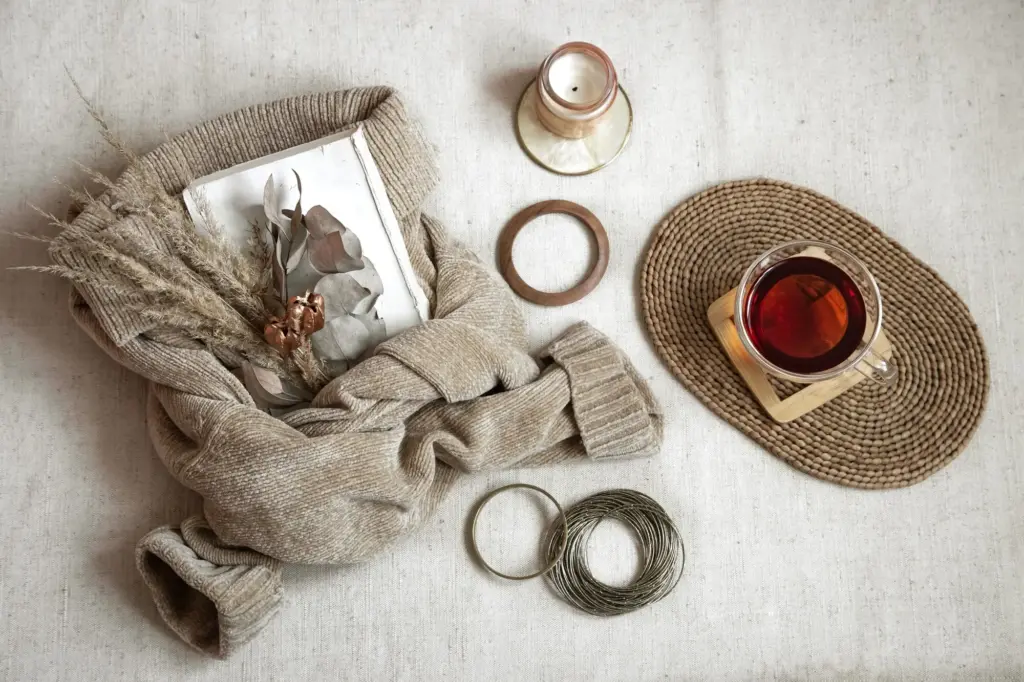
Design, Packaging, and Identity
Vessels with Purpose
Beyond color trends, makers evaluate heat resistance, weight, lip curvature, and how light reflects through glass at dusk. Ceramic partnerships support local kilns, while amber bottles evoke apothecary calm. Each vessel must burn evenly and feel intentional in the hand. Share your grip preferences, shelf constraints, and sink-side reuse ideas; practical insights help select forms that honor safety standards and daily, joyful ritual.
Labels That Tell a Story
Typography, ink saturation, and microcopy guide mood before a match is struck. Some founders print scent notes; others print places, dates, or poetic fragments that create anticipation. Waterproof, oil-resistant stocks protect legibility through long burns. If a label persuaded you to try an unfamiliar note, tell them why; your response sharpens language, hierarchy, and the small design decisions that make shelves feel welcoming.
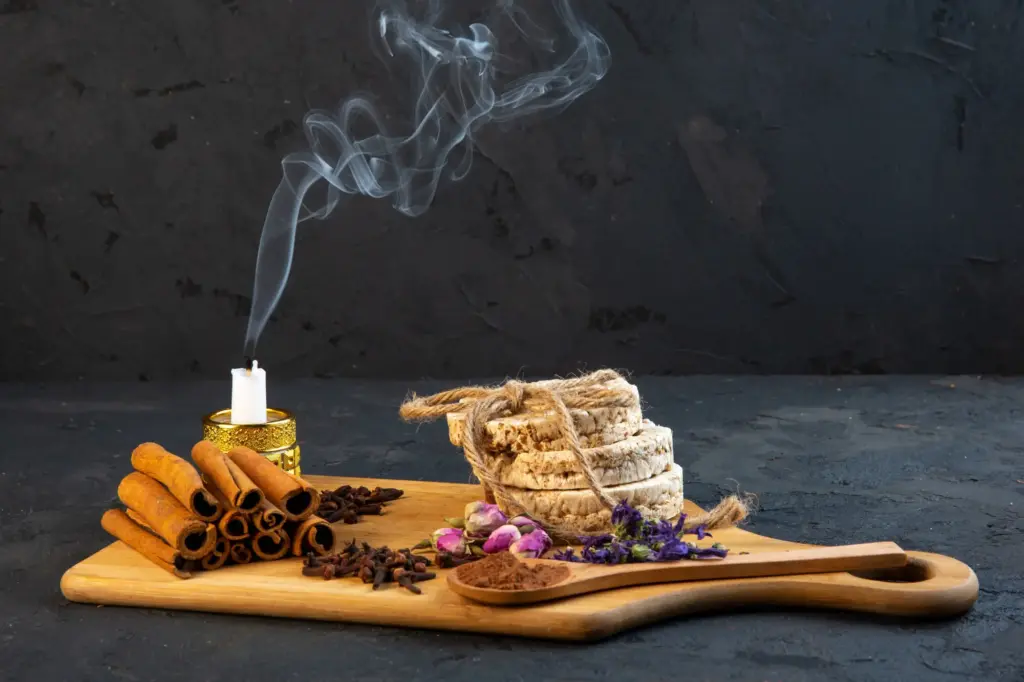
Batch Planning in Micro-Scale Operations
Founders schedule pours around life: school pickups, second jobs, thunderstorms that chill garages, and pop-up markets needing thirty units by dawn. They color-code spreadsheets for wicks, jars, and cartons, buffering for shipping glitches. Share when you typically shop and which sizes you finish fastest; those patterns guide batch composition, preorders, and event calendars, reducing sellouts while keeping shelves curated, fresh, and meaningfully small.
Cure Time, Throw, and Patience
Rushing cures weakens hot throw and wastes wax. Many artisans wait seven to fourteen days, testing burns at intervals, listening for crackles and watching melt pools reach edges in measured hours. Patience protects scent clarity. If waiting frustrates you, say so; they can communicate timelines better, offer minis for bridging gaps, and share behind-the-scenes updates that make anticipation part of the pleasure, never a burden.
Documenting Data for Consistency
Clipboards and cloud sheets capture humidity, room temperature, wax lot numbers, and every wick change. When a jar soots at hour six, notes trace cause, not blame. Over time, patterns emerge, guiding confident reformulations. Tell them which batches you loved most and why; pairing your impressions with their metrics strengthens reliability, transforming artisanal variability into intentional nuance supported by evidence, transparency, and respectful dialogue.
Tracing Each Ingredient

Waste, Refill, and Return Programs

Community Partnerships

Selling, Storytelling, and Growth

Market Tables that Invite Conversation
Ecommerce That Smells Through the Screen
Scaling Without Losing the Handcrafted Soul

All Rights Reserved.